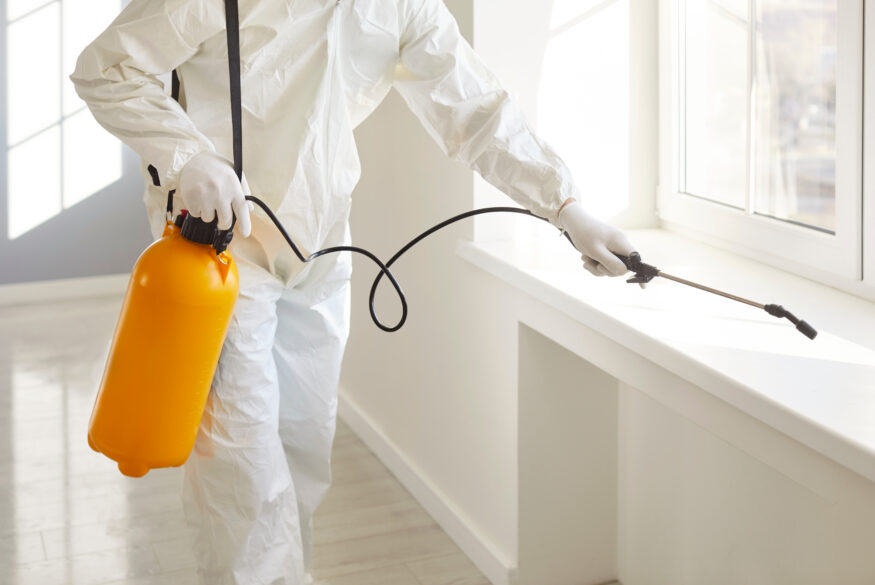
How Exterminators in Florida Can Help You Address a Rodent Infestation Effectively

Rodents can cause significant problems in both residential and commercial properties if not detected and managed promptly. Identifying the signs of an infestation early can save you from costly repairs, potential health issues, and prolonged discomfort. Below, we’ll explore common signs of rodent activity and how to address them effectively.
Common Signs of a Rodent Infestation
Detecting rodents early is essential for preventing their population from growing out of control.
- Droppings: Rodents leave small, dark droppings near food sources, cabinets, or along baseboards. Mouse droppings are typically around 1/4 inch long, while rat droppings are larger and more irregular in shape.
- Gnaw Marks: Look for chewed wires, furniture, or plastic containers. Rodents gnaw continuously to file down their ever-growing teeth.
- Nesting Materials: Shredded paper, fabric scraps, or dried plant material are often used by rodents to create nests in hidden areas like walls or attics.
- Odd Noises at Night: Scratching or scurrying sounds in walls or ceilings could indicate rodent activity during their active nighttime hours.
- Unpleasant Odors: A musky smell may signal the presence of urine or nesting areas nearby. Dead rodents can also emit strong odors if undiscovered.
- Tracks and Smudge MarksDusty surfaces might also reveal tiny tracks or tail drag marks.
Why You Should Act Quickly
Ignoring these warning signs allows rodent populations to grow rapidly since they reproduce at alarming rates—some species give birth to dozens of offspring per year.
- Spread diseases like hantavirus or salmonella through droppings, urine, and contaminated surfaces.
- Trigger allergies due to dander buildup over time.
- Chewed insulation weakens energy efficiency.
- Electrical fires caused by damaged wiring from gnawing.
- Ruined pantry supplies due to contact with droppings or urine.
Effective Steps for Addressing a Rodent Infestation
- Seal all food items in airtight containers.
- Place traps along walls where rodents commonly travel; opt for snap traps or humane live traps depending on preferences.
- Use bait stations cautiously if pets or children are present; always follow manufacturer guidelines when using poison baits.
- Reduce clutter indoors/outdoors that might provide hiding places (e. g. , piles of wood).
- For severe infestations beyond personal control efforts’ scope consider hiring pest control specialists who assess severity accurately deploy eradication methods accordingly while ensuring safety regulations compliance.
| Problem | Solution | Additional Notes |
| Droppings found inside cabinets | Clean area thoroughly; set snap traps | Wear gloves while cleaning |
| Scratching noises behind drywall | Investigate nesting spots | Use motion-sensitive cameras if needed |
| Chewed electrical wires | Repair damage immediately | Consult an electrician when required |
Detecting rodents quickly combined with implementing prevention measures safeguards homes businesses alike thus reducing risks associated with infestations long-term costs involved exterminating pests entirely complex scenarios arise experts assistance hiring prudent decision safeguarding spaces providing peace mind occupants .
How a Pest Control Company Can Help If You Hear Noises at Night
Rodents are nocturnal creatures, meaning they are most active at night. If you hear unusual noises such as scratching, scampering, or gnawing sounds after dark, it may be a sign of a rodent infestation. Ignoring these sounds can lead to more significant problems over time, as rodents can cause structural damage and pose health risks to your household.
Identifying Rodent Sounds with the Best Pest Removal Services in Florida
Rodents produce various sounds depending on their activity and location.
- Scratching or Rustling Sounds: Often heard in walls, ceilings, or attics as rodents move through insulation or other materials.
- Squeaking: A high-pitched noise that rodents make when communicating with one another.
- Gnawing: A repetitive sound caused by rodents chewing on wood, wires, or other surfaces to keep their teeth sharp and manageable.
Key Areas in Your Home to Inspect with a Florida Pest Control Service
| Location | Signs to Look For |
| Attics | Chewed insulation, droppings, nests |
| Walls | Scratching sounds or small holes gnawed into drywall |
| Kitchens | Evidence of food packaging damage |
| Basements | Droppings near stored items |
| Crawl Spaces | Tracks in dust and chewed materials |
The Importance of Acting Quickly for Effective Pest Removal
Hearing noises at night might seem like a minor inconvenience initially; however, unchecked rodent infestations can escalate quickly.
- Property Damage: Rodents chew electrical wires (posing fire hazards), wood beams, and insulation.
- Health Concerns: Rodents carry diseases such as Hantavirus and Salmonella that can spread through contact with droppings or urine.
- Rapid Reproduction: Mice and rats reproduce quickly; ignoring the problem for even a few weeks can result in a much larger infestation.
Steps to Address the Problem Effectively
- Look for droppings near food storage areas.
- Check for nesting materials like shredded paper or fabric.
- Identify potential entry points such as cracks in walls or gaps under doors.
- Use steel wool to block small openings around utility pipes.
- Install door sweeps on exterior doors.
- Repair any damaged screens on vents and windows.
- Store food items securely in sealed containers.
- Regularly dispose of garbage in tightly-lidded bins.
- Clean up crumbs and spills promptly.
- Place snap traps along walls where rodent activity is suspected.
- Use baits like peanut butter for effective trapping.
- Call Professional Rodent Control Services: If the infestation persists despite your efforts, it’s time to consult experts who have access to specialized tools and strategies for eradicating rodents effectively.
By identifying these warning signs early and taking immediate action against the issue, you can protect your home from further damage while ensuring your living environment remains healthy and safe from pests.
Smelling Unpleasant Odors?
Rodents can be stealthy and often go unnoticed until the signs of infestation become more obvious. One such sign is the presence of unusual or unpleasant odors in your home or property. Identifying these smells and understanding their cause is a crucial step in mitigating a potential rodent problem. Here’s how to recognize these odors, why they occur, and what steps you should take to address them.
Common Odors Associated with Rodents
Unpleasant smells caused by rodents can vary depending on the severity and location of the infestation.
- Ammonia-like Smell:Rodent urine, particularly from rats or mice, often has a strong ammonia odor. This smell can linger in enclosed spaces such as attics, basements, or inside walls where rodents are active.
- Musty or Stale Scents:The combination of rodent droppings, nesting materials (like shredded paper), and accumulated debris can create a stale or musty odor over time.
- Rotting Smells:If a rodent dies within walls, vents, or other hidden spaces, it will produce an unmistakably foul smell as it decomposes.
- Pet Agitation Around Certain Areas:Pets like dogs or cats may pick up on odors that humans cannot easily detect. If your pet seems unusually fixated on specific areas of your home, it could be due to hidden rodents.
Why Odors Should Not Be Ignored
- Health Risks: Rodents carry harmful pathogens that can spread through their urine and droppings. Prolonged exposure to contaminated areas may result in illnesses such as hantavirus or salmonella.
- Structural Damage: Rodents gnaw on wood, wires, insulation, and other materials while nesting or scavenging for food.
- Rapid Infestation Growth: A small rodent problem can quickly escalate if left untreated since rodents reproduce at an alarming rate.
Steps to Address Unpleasant Odors from Rodents
- Check dark corners, storage spaces, behind appliances, attics, and basements for droppings or nesting materials.
- Look for grease marks along walls where rodents frequently travel.
- Remove dead rodents promptly if found.
- Clean up droppings using proper protective measures (e. g. , gloves and masks).
- Sanitize affected areas with enzymatic cleaners designed specifically for pet waste or rodent contamination.
- Dispose of contaminated items like cardboard boxes used as nests.
- Inspect your property for cracks or gaps around doors, windows, pipes, vents, and foundation walls that could allow entry.
- Use materials like steel wool or caulk to seal openings.
- For large infestations with persistent odors you cannot trace back to the source effectively (e. g. , behind walls), contact professional pest control experts who have specialized tools for detection and removal.
Preventative Measures Against Future Infestations
| Preventative Measure | Description |
| Proper Food Storage | Keep food in airtight containers made of glass or metal. |
| Regular Cleaning | Avoid leaving crumbs around; vacuum floors frequently. |
| Garbage Management | Use sealed trash bins and remove waste consistently. |
| Landscaping Maintenance | Trim shrubs/trees near your home; clear outdoor debris |
| Routine Inspections | Check periodically for new signs of activity indoors/outdoors. |
By addressing unpleasant odors promptly and implementing these preventative measures afterward, you reduce the risk of recurring infestations while maintaining a healthier living environment overall.
Spotting Other Signs of Rodents and Why You Should Act Quickly
Rodent infestations can escalate quickly if not addressed, making it essential to recognize the signs early and take immediate action. Rodents, such as rats and mice, are not just a nuisance but can also pose significant health risks and cause structural damage to your home or business. Below, we’ll explore some common signs of rodent activity you should watch for and discuss why timely intervention is critical.
Common Signs of Rodent Activity
- Droppings: Small, dark droppings are often one of the first noticeable signs. These are typically found near food sources, in cupboards, or along baseboards.
- Gnaw Marks: Rodents have ever-growing teeth and need to gnaw constantly. Look for chew marks on furniture, wires, walls, or food packaging.
- Tracks or Smudge Marks: Greasy smudges or dusty footprints may appear along walls where rodents travel frequently.
- Noises: Scratching or scurrying noises in walls, ceilings, or under floors—especially at night—can indicate rodent activity.
- Nests: Rodents use materials like shredded paper, fabric, and insulation to create nests. These are often hidden in attics, basements, or behind appliances.
- Evidence of Burrows: Outdoors, you might notice burrows near foundations or in gardens where rodents have created entry points.
Why You Should Act Quickly
- Rodents can carry diseases such as Hantavirus and Salmonella.
- Their urine and droppings may contaminate surfaces and food supplies.
- They may host parasites like fleas and ticks.
- Gnawing on wires increases the risk of electrical fires.
- Chewing through plumbing systems can lead to leaks or water damage.
- Nest-building activities may compromise insulation materials.
- Rodents reproduce rapidly. For example: | Species | Gestation Period | Litter Size | Litters per Year | |—————–|——————|————-|——————| | House Mouse | 19–21 days | 5–12 | 5–10 | | Norway Rat | 21–23 days | 7–12 | 4–7 | Any delay in addressing the issue gives them time to multiply exponentially.
Steps to Address a Rodent Infestation
- Conduct a thorough inspection of your property for entry points (e. g. , cracks in walls or gaps around doors).
- Identify areas with food sources that could attract rodents.
- Install door sweeps on exterior doors.
- Store food items in airtight containers.
- Use snap traps for effective control; place them along known travel paths.
- Avoid glue traps if possible due to their inhumane nature.
- Professional Help If the problem persists despite your efforts:
- Contact licensed pest control experts who specialize in rodent removal strategies tailored to your situation.
By promptly identifying warning signs of rodents and implementing preventive measures immediately, you can minimize their impact on your health and property while preventing infestations from spiraling out of control further down the line.
Don’t Ignore the Warning Signs of a Growing Rodent Infestation
Rodents can cause significant damage to your property, health, and well-being if not addressed quickly. It is critical to recognize the warning signs of a growing rodent infestation early to prevent long-term issues. Below are key signs that indicate an infestation and actionable steps you can take to address it.
Key Indicators of a Rodent Infestation
- Look for small, dark pellets in areas such as cupboards, pantries, attics, or along baseboards. These droppings often indicate active rodent presence.
- Fresh droppings are typically moist and dark, while older ones become dry and crumbly over time.
- Rodents constantly chew to keep their teeth from growing too long. Inspect wooden furniture, electrical wires, plastic containers, or food packaging for bite marks.
- Fresh gnaw marks on materials may appear lighter in color compared to older ones.
- Rodents tend to leave greasy smudges along surfaces they frequently travel across due to the oils in their fur.
- You may also notice footprints or tail marks in dusty areas like basements or storage rooms.
- Rodents build nests using shredded paper, fabric, insulation material, or other soft items they find.
- Check hidden spaces such as attics, crawl spaces, or storage boxes for evidence of nesting activity.
- Pets might become alert or agitated if they detect rodents in your home. Pay attention to pets sniffing persistently at walls or specific corners of the house.
Why Acting Quickly Matters
- Property Damage: Rodents can chew on wires (posing fire hazards), destroy insulation material, and contaminate stored food supplies.
- Health RisksTheir presence can also exacerbate allergies and asthma symptoms in sensitive individuals.
- Rapid Reproduction: A small rodent population can grow exponentially within weeks due to their fast breeding cycle.
Steps To Take When You Notice Signs of Infestation
- Avoid placing traps where children or pets might access them inadvertently.
- Call Professional Assistance When infestations are severe or recurring despite DIY efforts:
- Contact licensed pest control experts who use safe yet effective methods like baiting programs and exclusion techniques tailored for rodents.
Detecting these early signs allows you to address infestations before they escalate into costly problems affecting both your property value and family’s health.
How Florida Pest Control Can Protect Your Home from Rodent Damage
Rodents such as mice and rats are more than just a nuisance; they can cause significant damage to your property and pose health risks to you and your family. Professional rodent control services provide comprehensive solutions not only to eliminate infestations but also to safeguard your home from future damage. Here’s how professional intervention can protect your home effectively.
Identifying Potential Damage Caused by Rodents
Rodents are notorious for their destructive behavior, which can lead to costly repairs if left untreated.
- Structural Damage: Rodents chew through wood, drywall, and insulation as part of their nesting behavior. Over time, this can compromise the structural integrity of your home.
- Electrical Hazards: Rats and mice often gnaw on electrical wiring, increasing the risk of short circuits or even house fires.
- Plumbing Issues: Rodents may chew on pipes or fittings, leading to water leaks or plumbing failures.
- Damage to Personal Belongings: Stored items such as clothing, furniture, or important documents may become nesting material for rodents.
Why Choose Professional Rodent Control?
- Comprehensive Inspection
Professionals conduct a detailed inspection of your property to identify entry points, nesting areas, and food sources that attract rodents. This ensures no hidden problem areas go unnoticed. - Targeted Extermination Techniques
Experts use specialized tools and strategies such as bait stations, traps, or eco-friendly rodenticides tailored to address the specific type of infestation in your home. - Preventive Measures
After eliminating rodents, professionals implement preventive measures such as sealing cracks or gaps in walls and foundations, installing door sweeps, and securing vents with rodent-proof materials. - Health Protection
Proper disposal of dead rodents is critical for avoiding contamination from droppings or urine that may carry diseases like Hantavirus or Salmonella.
Key Benefits for Your Home
| Benefit | Description |
| Long-Term Cost Savings | Preventing damage from rodents reduces expenses on repairs caused by chewing or contamination. |
| Peace of Mind | You won’t have to worry about recurring infestations disrupting your daily life again. |
| Enhanced Safety | Eliminating fire hazards from chewed wiring improves overall household safety levels. |
Steps You Can Take Post-Treatment
- Inspect exterior walls regularly for cracks or holes that could serve as entry points.
- Keep outdoor trash bins sealed tightly with lids.
- Trim vegetation near the foundation of the home where rodents might hide.
By addressing both immediate concerns and long-term prevention strategies with the help of experts, you can better protect your property from unnecessary damage while maintaining a safer living environment for you and your family.
- How Exterminators in Florida Can Help You Address a Rodent Infestation Effectively
- Early Warning Signs You Need Pest Removal Services in Florida for a Rodent Infestation
- Identifying Rodent Infestations: Tips from a Pest Control Company
- Key Noises of Rodent Infestation You Should Never Ignore: Tips from Exterminators in Florida
- Top 5 Signs You Need Immediate Help from Exterminators in Florida
- Key Warning Signs That Indicate You Need a Pest Control Company for Rodent Issues
- How to Spot Rodent Infestation Warning Signs with a Trusted Pest Control Company
- Effective Solutions from a Pest Control Company to Tackle Rodent Infestations
- Warning Signs of Rodent Infestations and How a Pest Control Company Can Help