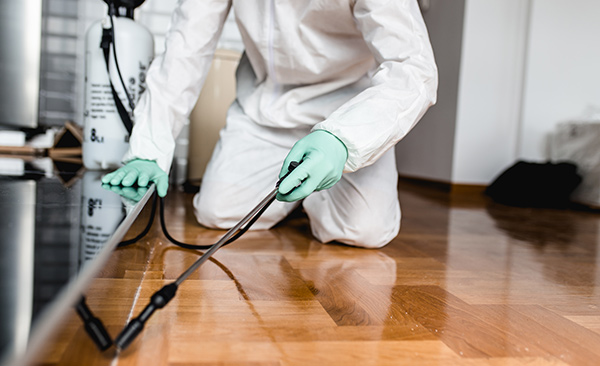
Rodent infestations can quickly escalate if not identified and addressed promptly. Being aware of the early warning signs can help protect your home from damage and reduce health risks. Here are some key indicators to watch for when assessing the potential presence of rodents in your living space.
Physical Evidence of Rodent Presence
Rodents leave behind several physical traces that signal their activity inside your home. Some common signs include:
– Droppings: Small, dark pellet-shaped feces often found near food sources, cupboards, or along baseboards.
– Gnaw Marks: Evidence of chewing on furniture, electrical wires, cardboard, or wooden structures.
– Grease Smudges or Tracks: Oily marks caused by their fur rubbing against walls or surfaces as they travel along established paths.
Noises in Walls or Ceilings
Rodents are typically more active at night when the household is quiet. Listen for unusual sounds such as:
– Scratching or scurrying noises within walls, ceilings, or under floorboards.
– Light tapping or gnawing sounds as rodents chew through materials like wood and plastic.
Unpleasant Odors
Another important sign of a rodent infestation is the presence of strong, unpleasant odors caused by urine buildup or decomposing pests in hidden areas of your home.
| Possible Odor Source | Description | Likely Location |
| Urine Smell | Pungent ammonia-like odor | Near nesting areas or food caches |
| Decomposing Rodents | Foul smell from dead rodents | Inside walls, attics, or basements |
Nesting Materials and Structures
Rodents build nests using easily accessible materials such as shredded paper, fabric fibers, insulation, and dried plant matter. Check these areas for evidence of nesting:
1. Attics and basements where clutter provides hiding spots.
2. Under appliances like refrigerators or stoves where warmth attracts them.
3. Inside storage boxes that hold old clothing or paper items.
Increased Pest Activity Outdoors
Rodents often enter homes from external environments where they already thrive. Pay attention to increased activity outdoors around: – Overgrown vegetation close to your house’s foundation. – Trash bins that are not properly sealed. – Bird feeders that may unintentionally attract rodents due to spilled seed.
By staying vigilant and taking note of these early warning signs, you can address a rodent issue before it becomes more severe—reducing both property damage and potential health threats associated with infestation.
Identifying Rodent Activity: Tips from a Pest Control Company
Rodents are notorious for their chewing habits, which serve both practical and instinctual purposes. Identifying evidence of chewing or gnawing is one of the most reliable ways to confirm their presence in your home. Here’s how you can detect and interpret these signs effectively.
Understanding Why Rodents Chew: Insights from Florida Pest Control Service
Rodents, such as rats and mice, have teeth that grow continuously throughout their lives. To prevent overgrowth and maintain functional teeth, they instinctively chew on a variety of surfaces. This behavior not only causes structural damage but can also pose safety risks.
Common Items Rodents Tend to Chew:
- Wooden Surfaces: Doors, baseboards, furniture legs, and wooden beams.
- Electrical Wiring: Chewed wires present a significant fire hazard.
- Plastic and Rubber: Pipes, storage containers, insulation covers.
- Food Packaging: Cardboard boxes or plastic bags in pantries.
- Soft Materials: Fabrics and papers often used for nesting.
Identifying Chewing Damage During Pest Removal
- Check food packages for small holes or torn edges.
- Examine walls near cupboards for gnaw marks.
- Inspect cardboard boxes stored for long periods.
- Look at furniture or stored items made from wood or fabric.
- Examine insulation materials for signs of damage.
- Check exposed wooden beams or rafters for gnaw marks.
- Look for frayed wires near appliances or within wall openings.
Distinguishing Between Old and New Damage
When you find evidence of chewing, it’s essential to determine if the activity is recent: – Fresh gnaw marks tend to appear lighter in color compared to older ones that darken over time. – Active infestations may show consistent patterns of damage over a short period.
| Material | Typical Rodent Damage | Impact |
| Wood | Small tooth grooves | Structural weakening |
| Wires | Frayed insulation | Electrical fires |
| Food Packages | Torn packaging with crumbs/spillage | Food contamination |
| Plastic/Rubber | Jagged edges on pipes/containers | Water leaks; reduced functionality |
Strategies to Prevent Damage from Chewing
Preventative measures can help mitigate rodent activity before it causes costly issues: 1. Seal entry points such as cracks in walls or gaps around doors. 2. Use rodent-proof materials like steel wool around vulnerable areas (e.g., pipe openings). 3. Store food in airtight containers made from metal or glass rather than plastic or cardboard. 4. Conduct regular inspections of wiring systems by hiring an electrician if needed. 5. Remove potential nesting materials like shredded papers or unused fabrics from accessible spaces.
By proactively monitoring these signs and addressing potential vulnerabilities in your home’s structure, you can reduce the risk posed by rodents before the problem escalates further into significant infestation levels.
Identifying Rodent Activity with Florida Pest Control Tips for Chewing and Gnawing Signs
Rodents are notorious for their chewing and gnawing habits. This behavior is not only a nuisance but can also serve as an early warning sign of an infestation. Understanding these indicators can help homeowners detect rodent activity before it escalates into a larger problem.
Why Do Rodents Gnaw?
Rodents, such as rats and mice, have ever-growing incisors that require constant trimming. To maintain dental health, they instinctively chew on various materials found in their environment. This gnawing behavior is not limited to food items but extends to structural components and household objects.
Common Materials Targeted by Rodent Chewing
- Wood: Furniture, door frames, wooden beams, and flooring.
- Plastic: Containers, storage bins, pipes, or wiring insulation.
- Wiring: Electrical wires are a frequent target due to their accessibility; gnawed wires can lead to fire hazards.
- Paper and Cardboard: Often shredded by rodents for use in nesting purposes.
- Food Packaging: Chewing through boxes or bags in search of food sources.
Visible Signs of Chewing or Gnawing
- Jagged edges on furniture or woodwork that appear irregularly shaped.
- Holes in walls or floors with frayed material around the edges.
- Bite marks on food packaging or containers stored in pantries or cabinets.
- Fragments of chewed material (wood shavings, plastic bits) near entry points such as baseboards or holes behind appliances.
How to Differentiate Rodent Damage from Other Causes
| Feature | Rodent Chewing | General Wear and Tear |
| Shape of Marks | Irregular bite marks | Smooth edges from natural use |
| Presence of Debris | Small fragments nearby | Usually no debris |
| Location | Near entry points/electrical wiring | Random areas |
Steps to Address Signs of Chewing
- Inspect Your Home Thoroughly: Check dark areas like basements, attics, crawl spaces, and behind furniture where rodents may hide.
- Seal Entry Points: Use steel wool or caulking to close gaps around vents, pipes, windowsills, and doorways.
- Set Traps Strategically: Place traps close to areas where gnawing damage has been identified.
- Remove Attractants:
- Store food in airtight containers.
- Dispose of trash regularly using sealed garbage bins.
- Consult Professionals if Needed: Persistent damage may require the expertise of a pest control specialist.
By paying close attention to chewing patterns and acting swiftly upon discovery, you can significantly reduce the likelihood of a full-blown infestation while protecting your home’s structural integrity and safety systems effectively.
Identifying Rodent Nests: Tips from Exterminators in Florida
Rodents are resourceful creatures that thrive in environments where they can find food, water, and shelter. One of the clearest signs of an active or growing rodent problem in your home is the presence of nests or nesting materials. Understanding how and why rodents build nests, as well as identifying these materials, can help you assess the severity of the infestation and take appropriate action immediately.
Why Rodents Build Nests
Rodents create nests primarily for warmth, safety, and rearing their young. These structures protect them from predators and harsh conditions while providing a safe environment to breed. A single rodent nest can house multiple individuals, which means finding one nest could indicate the presence of an entire colony.
Key reasons rodents build nests:
– Protection: Sheltering themselves from natural predators like cats, birds of prey, or snakes. – Breeding: Providing a secure space to reproduce and raise their offspring. – Temperature Regulation: Staying warm during colder months by creating an insulated area.
Common Locations for Rodent Nests
- Inside Walls – Hollow wall cavities provide excellent protection.
- Attics or Crawl Spaces – These areas are rarely disturbed by human activity.
- Basements – Dark corners or cluttered spaces offer ideal nesting spots.
- Underneath Appliances – The warmth emitted by refrigerators or ovens attracts rodents.
- Storage Areas or Closets – Areas with cardboard boxes or piles of clothing serve as suitable nesting material havens.
Identifying Nesting Materials
Rodents use a variety of materials to build their nests depending on what is available in their surroundings. Identifying these materials within your home is critical for detecting infestations early.
Common nesting materials include:
– Shredded paper (newspapers, tissues, cardboard)
– Fabric scraps (clothing fibers, upholstery)
– Insulation material pulled from attics or walls
– Grass or leaves brought inside from outside sources – Soft items such as cotton balls
When you notice any combination of these materials gathered in unusual spots around your home—especially near droppings—it’s likely there’s a rodent nest nearby.
Signs That Indicate Nest Activity Is Recent
| Indicator | What It Means |
| Fresh droppings nearby | Rodents frequently visit the nest |
| Strong odor | Urine buildup suggests recent activity |
| Gnaw marks on objects | Chewing indicates ongoing rodent behavior |
If you observe any sign of recent activity near suspected nesting areas, prompt action is essential to prevent further infestation growth.
Actions to Take When You Discover Nests
- Remove access to food sources by sealing all pantry items in airtight containers.
- Safely remove nesting materials using gloves and dispose of them properly.
- Sanitize affected areas thoroughly to eliminate odors that may attract more rodents.
- Inspect your property for entry points such as cracks in walls or gaps under doors; seal these openings with steel wool or caulking.
- Consider consulting professional pest control services to eliminate both visible nests and hidden colonies effectively.
Being proactive about inspecting for nests ensures that minor rodent problems do not escalate into major infestations over time.

How Nests and Nesting Materials Reveal a Growing Rodent Problem
Rodents are resourceful creatures that rely on their environment to find materials for building nests. Spotting nests or identifying nesting materials in your home is a significant indication of a rodent infestation. Understanding what these nests consist of, where they are located, and what they mean for your household is essential for addressing the issue before it escalates.
Common Nesting Materials Used by Rodents
- Torn pieces of paper or cardboard
- Shredded fabric or upholstery
- Insulation from walls or attics
- Dried leaves, grass, or twigs brought in from outside
- Soft packaging material such as cotton or foam
If you notice any of these materials scattered around your home in unusual places, it’s worth investigating further for signs of rodent activity.
Typical Locations for Rodent Nests
- Attics – The insulation provides warmth and is often shredded by rodents to form comfortable bedding.
- Basements – Dark and quiet corners make them ideal nesting spots.
- Behind Appliances – Spaces behind refrigerators, ovens, or washing machines can be attractive due to heat sources.
- Inside Walls – Rodents can chew through drywall to create hidden chambers for nesting.
- Garage Storage Areas – Cardboard boxes full of old items often become prime spots for nest construction.
By carefully inspecting these areas periodically, you may be able to catch the early signs of an infestation.
Why Nests Indicate a Growing Problem
The presence of a nest signifies more than just occasional visits by one rodent; it points toward long-term habitation with potential reproduction. Female rodents create nests as safe spaces to raise their young, which means an existing nest could soon lead to a larger population if left untreated.
Additionally:
– A single nest might house several rodents at once. – The lifespan of rodents (e.g., mice) is short but includes rapid reproduction cycles—leading to exponential growth if not addressed promptly. – Over time, multiple nests may form across different areas of your home.
Steps You Can Take Upon Discovering a Nest
If you identify a rodent nest in your home:
1. Do Not Disturb It Immediately: Disturbing the nest might cause the rodents to scatter elsewhere within your property.
2. Document Its Location: Take note of where it was found so pest control professionals can assess the situation effectively. 3. Seal Off Entry Points Nearby: Inspect walls, windowsills, doors, or vents near the nest for openings that allowed entry into your home. 4. Contact Professionals If Necessary: For larger infestations or recurring issues, consult pest control experts who have experience with rodent behavior.
Table: Signs That Accompany Rodent Nests
| Sign | Explanation | Action Needed |
| Chewed Wires | Rodents chew wires near nesting sites | Hire an electrician after removal |
| Droppings Around Nest Area | Indicates active presence | Clean area using safety measures |
| Foul Odors | Caused by urine and droppings near the nest | Use disinfectants post-removal |
Being vigilant about identifying nests ensures effective intervention before rodents cause significant damage or multiply excessively throughout your property.
How Nests and Nesting Materials Reveal a Growing Rodent Problem
Rodents are resourceful creatures that build nests to stay warm, safe, and to rear their young. Spotting nesting materials or actual nests in your home is a clear indicator of a rodent problem. Understanding how rodents use nesting materials and what to look for can help you detect their presence early and take the necessary actions.
Common Nesting Materials Rodents Use
Rodents are opportunistic when it comes to finding materials for their nests. They often gather items from within your home to create a warm and secure place to live. Below are some common materials they might use: – Shredded paper – Cardboard pieces – Fabric scraps – Insulation from walls or attics – Dried leaves or grass (tracked in from outside) – Soft plastic pieces
These materials may be found scattered around areas where rodents are active or inside the nest itself.
Likely Locations for Rodent Nests
Rodents favor areas that are quiet, dark, and relatively undisturbed. Look for signs of nests in the following locations: 1. Attics – Insulation in attics is often targeted as it provides warmth. 2. Wall Cavities – Narrow, enclosed spaces offer protection. 3. Basements – Dark corners with clutter can make basements ideal nesting spots. 4. Behind Appliances – Spaces behind stoves, refrigerators, or washing machines provide safety close to food sources. 5. Garages or Sheds – These areas may contain outdoor debris like leaves and twigs that rodents can use as nesting material. 6. Storage Areas – Cluttered storage boxes filled with fabric or paper make excellent hiding spots.
Recognizing Signs of Rodent Nests
Finding an actual rodent nest may not always be easy because these creatures tend to hide them well. However, there are several signs you should be aware of: – Piles of shredded material in hidden corners or enclosed spaces
– Foul odors due to droppings near nesting sites
– Small tracks leading toward secluded areas
– Increased activity in specific parts of your home (e.g., scratching noises)
By carefully inspecting these indicators, you can locate potential nests before the infestation grows worse.
| Nest Sign | What It Might Mean |
| Shredded insulation | Possible rodent activity within walls/attics |
| Accumulated debris | Active nesting site |
| Droppings nearby | Confirmed presence near nest |
Risks Associated with Ignoring Rodent Nests
Failing to address rodent nests promptly can lead to significant health and property risks: – Disease Transmission: Rodents carry harmful bacteria and viruses that contaminate surfaces. – Damage to Property: Chewing on wires, wood, or insulation can result in costly repairs. – Rapid Reproduction: A single nest could house several rodents capable of multiplying quickly.
Steps You Can Take After Detecting a Nest
- Remove any accessible food sources by storing items in sealed containers.
- Seal off entry points using steel wool or caulk to prevent further access.
- Contact a professional pest control service for safe nest removal and preventative measures.
Maintaining vigilance against these signs ensures your home remains free of infestations while minimizing potential risks associated with rodents’ destructive habits.
Understanding the Importance of Early Action Against Rodents
Recognizing and addressing a rodent problem promptly is essential to safeguarding your home, health, and peace of mind. Rodents such as rats and mice can cause significant damage to property, contaminate food supplies, and pose serious health risks through the spread of diseases. Acting early against rodent activity can save you from costly repairs, infestations, and potential harm. Here’s why proactive measures are important.
Prevent Property Damage
- Wires: Chewing on electrical wires increases the risk of fires or short circuits.
- Wood: Support beams, furniture, and flooring may be damaged by persistent gnawing.
- Insulation: Rodents tear apart insulation for nesting purposes, reducing energy efficiency.
By addressing the problem early on, you can prevent costly repairs caused by extensive damage.
Minimize Health Risks
| Disease | How it Spreads |
| Hantavirus | Through exposure to rodent droppings or urine |
| Leptospirosis | From contaminated water sources |
| Salmonella | Via food contamination |
| Rat-Bite Fever | From bites or contact with infected rodents |
Promptly identifying rodent activity ensures these risks are minimized before they escalate into more serious health hazards.
Avoid Rapid Infestation Growth
Rodents reproduce quickly. Mice, for example, can have up to 10 litters per year with an average of six pups per litter. This means that a small problem today can become a full-blown infestation in just weeks if left unchecked. Taking action at the first signs of a possible infestation helps prevent population growth and makes control efforts more manageable.
Reduce Costs Associated with Delayed Action
- Expenses related to extensive pest control treatments.
- Replacement costs for damaged furniture or equipment.
- Medical bills resulting from exposure-related illnesses.
Effective Early Steps You Can Take
- Inspect Regularly: Look for droppings, chewed materials, or greasy marks along walls.
- Seal Entry Points: Close gaps around doors and windows; seal cracks in walls or floors.
- Maintain Cleanliness: Store food securely in airtight containers; promptly dispose of garbage.
- Eliminate Attractants: Remove clutter indoors and debris outdoors where rodents may seek shelter.
Prompt action backed by preventative measures reduces stress while providing long-term protection against rodents’ harmful effects on your household environment. Safeguarding your space starts with vigilance and timely response every step of the way.
- How Exterminators in Florida Can Help You Address a Rodent Infestation Effectively
- Early Warning Signs You Need Pest Removal Services in Florida for a Rodent Infestation
- Identifying Rodent Infestations: Tips from a Pest Control Company
- Key Noises of Rodent Infestation You Should Never Ignore: Tips from Exterminators in Florida
- Top 5 Signs You Need Immediate Help from Exterminators in Florida
- Key Warning Signs That Indicate You Need a Pest Control Company for Rodent Issues
- How to Spot Rodent Infestation Warning Signs with a Trusted Pest Control Company
- Effective Solutions from a Pest Control Company to Tackle Rodent Infestations
- Warning Signs of Rodent Infestations and How a Pest Control Company Can Help