
Rodents, such as rats and mice, are not only a nuisance but also pose significant risks to your health, property, and peace of mind. Early detection of their presence is crucial to prevent infestations from escalating. Here are some key warning signs to help you identify rodent activity in your home or business.
Droppings
Rodents leave droppings in areas where they eat, travel, or nest.
- Appearance: Small, dark pellet-shaped droppings, approximately the size of a grain of rice for mice and slightly larger for rats.
- Location: Commonly found along baseboards, in cupboards, under sinks, or near food sources.
- Action: Clean them promptly while wearing gloves and use disinfectant to reduce the risk of disease transmission.
Rodents have ever-growing teeth and need to gnaw on various materials to keep them trimmed down.
- Common Targets: Wood (furniture or walls), wires (posing potential fire hazards), plastic containers, and even insulation materials.
| Material | Likely Damage | Risks |
| Electrical wires | Exposed wiring | Fire hazard |
| Wooden furniture | Chewed edges | Structural damage |
| Food packaging | Torn or punctured bags | Contaminated food supply |
Unusual Noises
- Scratching: Indicates rodents moving within walls or burrowing in insulation.
- Squeaking: High-pitched sounds may point to communication between rodents.
- Rustling: Often caused by rodents scurrying through stored items or nesting material.
Pay attention during quiet hours (typically at night) when rodents tend to be most active.
Nests and Shredded Materials
- Materials Used: Paper scraps, fabric fibers, dried plant matter like leaves.
- Where to Look: Hidden corners such as behind appliances, storage boxes in attics/basements, or inside wall cavities.
Regularly inspect seldom-used areas since nests are often tucked away.
Strange Odors
- Caused by urine trails left behind as they navigate spaces.
- The smell becomes more noticeable as infestations grow larger.
If you detect an unfamiliar odor accompanied by other signs like droppings or noises, it’s essential to investigate further.
Early Signs You Need Florida Pest Control Services
- Seal entry points immediately using steel wool or caulking—rodents can squeeze through openings as small as 1/4 inch.
- Remove access to food sources by securely storing food in airtight containers made from glass or metal.
- Set traps strategically around high-risk locations such as kitchens and pantries.
- Clean up clutter that might serve as nesting material for rodents.
- Contact a professional pest control service for effective identification and remediation if signs persist after basic prevention measures.
By recognizing these early indicators promptly and taking appropriate action when needed, you can prevent minor problems from escalating into full-blown infestations that may require more extensive intervention later on.
Why Exterminators in Florida Are Essential for Controlling Rapidly Reproducing Rodents
Rodents, including mice and rats, are some of the most common pests that invade homes and businesses. Their ability to adapt to various environments, reproduce rapidly, and find creative ways to access food and shelter makes them a persistent problem. Understanding why these pests pose such a significant challenge is essential for effective control and prevention.
The Reproductive Capabilities of Rodents
One of the primary reasons rodents are such a major problem is their remarkable reproductive rate.
| Rodent Type | Average Litter Size | Number of Litters Per Year | Time to Maturity |
| House Mouse | 5-10 pups | 6-10 litters | 4-6 weeks |
| Norway Rat | 6-12 pups | 4-7 litters | 8-12 weeks |
With these reproduction rates, even a small rodent population can escalate into an infestation in just a few months if left unchecked.
Adaptability and Survival Skills
Rodents are highly adaptable creatures capable of thriving in various environments.
- Dietary Flexibility: Rodents can consume almost anything, from grains and fruits to trash or leftover food.
- Physical Abilities: They can climb walls, squeeze through small gaps (as tiny as 1/4 inch for mice), and chew through materials like plastic or wood.
- Nocturnal Habits: Most rodents are active at night, which means infestations may go unnoticed until they become severe.
Economic Impacts on Homes and Businesses
- Rodents spread bacteria such as Salmonella by contaminating food supplies with droppings, urine, or fur.
- Entire inventories in businesses like restaurants or warehouses may need discarding after rodent exposure.
- They chew wires, insulation, pipes, and wooden structures.
- Damaged electrical systems caused by gnawing increase the risk of fires.
- For businesses such as hotels or restaurants, visible signs of rodent activity can lead to bad reviews or even legal penalties.
Public Health Concerns
- Diseases transmitted directly include Hantavirus Pulmonary Syndrome (through deer mice droppings) and Leptospirosis (via infected urine).
- Indirectly spread diseases include the Bubonic Plague through fleas on rats.
Why Long-Term Solutions Are Critical
Given these factors—rapid reproduction rates, resilience, financial impact, and health risks—it’s clear that managing rodent infestations requires more than reactive measures. Proactive prevention strategies combined with professional intervention ensure safer environments for homes and businesses alike.
By understanding the scope of the problem rodents pose, property owners can better appreciate the importance of addressing infestations early before they spiral out of control.
Effective Pest Removal Services in Florida to Protect Your Space Early
Rodent infestations, if left unchecked, can quickly grow into a significant problem that compromises both health and property. Taking proactive steps to address rodent control early ensures that you protect your space from the damage and risks associated with these pests. Below is an in-depth exploration of why early and effective rodent control is essential.
Why Early Rodent Control Matters
- Rapid Reproduction:
Rodents such as mice and rats breed at an alarming rate. A single pair of mice can produce dozens of offspring in just a few months. Early intervention prevents small populations from turning into large infestations. - Health Hazards:
Rodents carry diseases such as hantavirus, leptospirosis, and salmonella, which can be transmitted through their droppings, urine, or saliva. An infestation increases the risk of exposure to these diseases. - Structural Damage:
This behavior not only causes costly damage but also poses fire hazards due to chewed electrical wires. - Food Contamination:
Stored food items are prime targets for rodents looking for sustenance.
Steps for Effective Rodent Control
- Sealing Entry Points: Use durable materials like steel mesh or caulk to seal all cracks, crevices, vents, and gaps around doors or windows.
- Setting Traps: Deploy traps in high-activity areas such as attics, basements, kitchens, or garages.
- Store food in airtight containers.
- Clean up crumbs promptly from counters and floors.
- Avoid leaving pet food out overnight.
- Remove clutter like cardboard boxes where rodents may nest.
- Keep outdoor vegetation trimmed away from the property’s foundation.
Table: Common Signs vs Immediate Actions
| Common Sign | Immediate Action |
| Droppings near food sources | Clean affected area thoroughly; set traps nearby |
| Gnaw marks on furniture | Identify entry points; seal openings |
| Scratching noises at night | Inspect walls/attics; set up baited traps |
Long-Term Benefits of Early Intervention
- Cost Savings: Prompt action reduces the cost associated with extensive repairs or professional removal services later on.
- Health Protection: Minimizing exposure to rodent-related pathogens keeps your household or business occupants safe.
- Peace of Mind: Addressing the issue proactively alleviates stress caused by ongoing pest problems.
Investing time in early detection paired with effective measures can save you significant trouble down the line while protecting your environment from unwanted guests like rodents who are both destructive and unhygienic by nature.
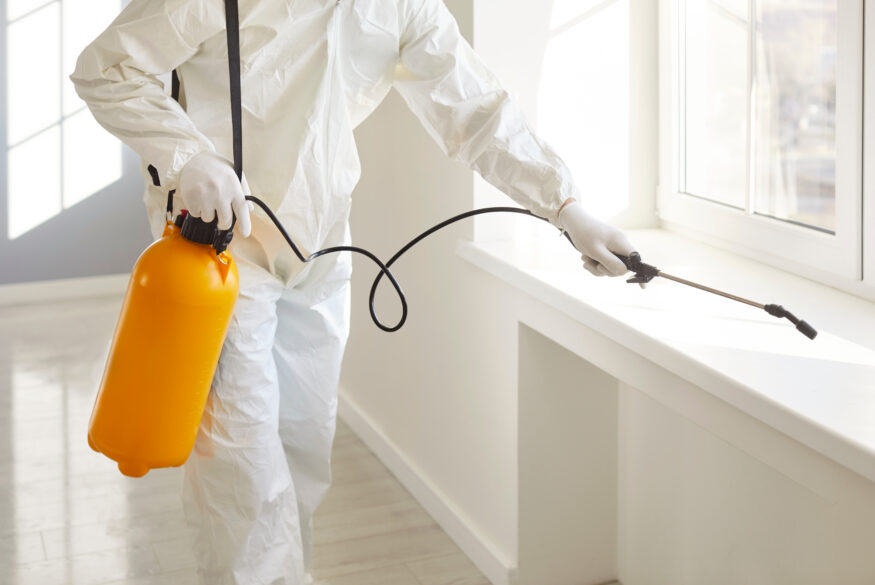
Early and Effective Florida Pest Control Service Measures to Protect Your Space
Rodents, such as rats and mice, can quickly turn from a minor nuisance into a full-blown infestation if not addressed promptly. Early detection and proactive control measures are essential to protect your home or business. Delaying action can lead to significant health risks, property damage, and costly remediation efforts down the line. Below, we explore why early intervention is critical and outline effective strategies for rodent control.
Why Early Rodent Control Matters
- Rapid Reproduction: Rodents breed quickly, with some species capable of producing multiple litters within a single year. A small problem can escalate into an infestation in just weeks.
- Health Risks: Rodents carry diseases such as hantavirus, salmonella, and leptospirosis that can pose severe health threats to humans.
- Property Damage: Rats and mice gnaw continuously to keep their teeth trimmed. This behavior can lead to chewed wires (creating fire hazards), damaged insulation, destroyed furniture, and structural issues.
Key Components of Effective Rodent Control Measures
Taking early action involves using a combination of preventive measures and targeted interventions.
- Conduct thorough inspections of your property’s interior and exterior.
- Check for signs such as droppings, gnaw marks, nesting materials like shredded paper or insulation, grease marks along walls, or unusual noises (scratching or squeaking).
- g. , steel wool or metal mesh).
- Inspect doors and windows for gaps; ensure weather stripping is intact.
- Clean up food crumbs immediately from counters or floors.
- Store all food in airtight containers made from metal or glass instead of plastic or cardboard.
- Dispose of garbage regularly in bins with tightly fitted lids.
- Use snap traps or live traps strategically along walls where rodents typically travel.
- Place traps behind appliances or furniture where rodents may hide.
- Consider using rodenticides carefully while following local regulations to minimize risks to pets or children.
- Always use bait stations for added safety when deploying poison baits.
- Regularly check high-risk areas for new signs of activity even after initial treatment.
| Key Steps | Tools/Materials Needed | Purpose |
| Inspection | Flashlight; gloves | Identify entry points & nests |
| Exclusion | Steel wool; caulking gun | Block access routes |
| Sanitation | Airtight containers; cleaning supplies | Eliminate attractants |
| Trapping | Snap traps; peanut butter (as bait) | Capture existing rodents |
| Baiting | Rodenticides; tamper-resistant bait boxes | Reduce rodent population |
Professional Assistance When Necessary
While DIY strategies can be effective against minor rodent issues when identified early on, large-scale infestations often require professional expertise. Pest control professionals have access to specialized tools such as infrared inspections, advanced baiting systems, fumigation techniques (if necessary), and long-term monitoring solutions tailored to your specific needs.
By addressing the problem promptly through early detection and proven control methods—or by consulting experts—you can protect your property’s integrity while maintaining a safe environment for occupants.
Effective Pest Removal: When to Call Professional Rodent Control Experts for Long-Term Solutions
Rodent infestations can worsen quickly if not addressed in a timely and effective manner. While some homeowners or business owners may attempt DIY methods, there are situations where professional rodent control services are the most reliable and efficient solution. Understanding when to call experts can save you time, money, and stress, while ensuring long-term solutions that protect your property.
Signs It’s Time to Call a Professional
While some early signs of rodent activity may seem manageable, certain indicators suggest that the problem has escalated beyond DIY measures.
- Recurring Infestations: If rodents keep returning despite your efforts, professionals can identify and address the root cause.
- Structural Damage: Noticing chewed wires, insulation damage, or weakened wooden structures indicates a severe infestation that needs expert intervention.
- Health Concerns: Rodents can spread diseases such as Hantavirus or Salmonella. If there is evidence of contamination near food sources or living spaces, it’s critical to act quickly.
- Large Numbers of Rodents: Spotting multiple rodents at once often means there’s a growing population hidden within walls, attics, or crawlspaces.
- Unsuccessful DIY Efforts: If traps or baits appear to be ineffective over several weeks, this signals that the problem requires advanced methods.
Benefits of Hiring Professionals
Professionals offer specialized skills and tools that go beyond what typical homeowners have at their disposal.
- Professionals can identify entry points and nesting areas that might be overlooked during do-it-yourself inspections.
- Experts assess the severity of an infestation and apply tailored solutions based on species type, size of the population, and environmental factors.
- Advanced tools like bait stations with tamper-proof designs or humane traps ensure safe and effective rodent removal.
- Many professional services include sealing entry points, landscaping suggestions, and advice on waste management to deter future infestations.
- Some companies offer follow-up visits or monitoring services to ensure rodents do not return.
| Professional Services | DIY Methods |
| Comprehensive approach | Limited by resources available |
| Advanced equipment | Basic traps/baits often ineffective |
| Prevention-focused | Reactive rather than preventative |
| Expert knowledge | Lack of understanding about behavior |
Avoiding Common Missteps
- Misapplication of chemicals can pose risks to humans and pets without solving the issue.
- Blocked entry points without addressing existing rodents could trap them indoors.
- Overlooking hidden signs such as droppings in attic spaces delays effective action.
Finding Reliable Professionals
- Proper certifications (e. g. , licensed exterminators).
- Positive customer reviews showcasing successful results.
- Guarantees for follow-up services if reinfestation occurs within a specified time frame.
Professional rodent control experts not only remove current infestations but also implement strategies to secure your property against future invasions—a crucial step for long-lasting peace of mind.
Rodents can cause severe health hazards and property damage if left unchecked, so recognizing the signs of their presence is vital. Below are some of the most common indicators to look for when assessing if rodents may be active in your space.
Rodent droppings are one of the most telling signs of an infestation.
- Mouse droppings are about 1/8 to 1/4 inch long with pointed ends.
- Rat droppings are larger—around 1/2 inch or longer—with blunt ends.
- LocationsCheck corners and hidden spaces where rodents might travel or nest.
- Quantity: A significant amount of droppings often indicates an active infestation.
Regularly inspecting areas you don’t often access can help you spot these signs early.
Rodents have ever-growing incisors and use gnawing to keep them trimmed.
- Wood (furniture edges, baseboards, door frames)
- Plastic packaging
- Electrical wires (can pose potential fire hazards)
- Look for uneven chew marks and tiny fragments near chewed objects.
Table: Comparison of Common Gnaw Mark Characteristics
- Scratching or scurrying noises as they move around.
- Chewing sounds when they’re gnawing on materials.
- Most rodents are nocturnal; therefore, noises are more pronounced during nighttime hours.
These sounds may be faint but tend to become more noticeable as the infestation grows.
Other Indicators
In addition to droppings, gnaw marks, and noises, watch for these additional signs: – NestsOdor: A strong musky smell may accompany an infestation due to urine or pheromones left by rodents marking their territory.Grease Marks and Trails: Rodents leave smear marks along walls due to the oil on their fur rubbing off as they move through well-traveled paths.
By staying vigilant and understanding these common signs of rodent activity, you can act quickly before they cause extensive harm. Early detection not only minimizes health risks but also aids in implementing effective control measures promptly. Regular inspections paired with professional assistance when needed ensure you remain proactive against infestations.

Comprehensive Rodent Control Solutions for Eliminating Infestations Effectively
Effectively eliminating a rodent infestation requires a strategic, comprehensive approach that addresses both immediate concerns and long-term prevention. Rodents are adaptable creatures, making it essential to combine various methods to ensure complete eradication. Below is a detailed guide to comprehensive rodent control solutions.
Step 1: Inspect and Assess the Infestation
The first step in solving a rodent problem is understanding its scope.Entry Points: Look for cracks, holes, or gaps in walls, floors, and foundations.Nesting Areas: Check attics, basements, crawl spaces, or cluttered storage areas.Signs of Activity: Spot droppings, gnaw marks on furniture or wiring, and greasy rub marks along walls.
Once you’ve assessed the infestation, it’s time to act quickly with targeted control measures: – TrapsRodenticides: Apply rodenticide baits carefully. Always ensure these are placed in tamper-proof stations to protect children and pets.Ultrasonic Repellents: Consider ultrasonic devices designed to deter rodents using high-frequency sound waves.
| Control Method | Description | Best Used For |
| Snap Traps | Quick-kill mechanical traps | Small-scale infestations |
| Live Traps | Humane capture-and-release solutions | Avoiding animal cruelty |
| Rodenticides | Poison baits | Severe infestations |
| Ultrasonic Devices | Sound-based deterrents | Prevention and deterrence |
Step 2: Seal Entry Points and Eliminate Attractants
Rodents can squeeze through openings as small as a quarter-inch. – Installing door sweeps on exterior doors. – Repairing damaged screens on windows and vents.
Additionally, eliminate all attractants by: – Storing food in airtight containers. – Cleaning crumbs and spills promptly from countertops. – Emptying trash regularly with secure lids.
Step 3: Maintain Long-Term Prevention
After successfully eliminating rodents from your property, adopt preventative strategies to avoid re-infestation: 1.Landscaping Maintenance: Trim trees and shrubs at least three feet away from your home.Proper Drainage: Fix leaky pipes or clogged gutters that create moist environments attractive to rodents. 3.Routine Inspections: Regularly inspect your property for new signs of rodent activity or potential vulnerabilities.
When Professional Help is Necessary
While DIY methods may work in some cases, severe infestations often require professional intervention. Pest control professionals bring expertise, advanced tools such as thermal imaging cameras for nest detection, and comprehensive treatment plans that address both immediate eradication and long-term prevention.
By combining these steps into a cohesive strategy tailored to your property’s needs, you can effectively eliminate rodent infestations while safeguarding against future threats.
Comprehensive Rodent Control Solutions for Eliminating Infestations Effectively
Rodent infestations can pose serious risks to both health and property. Ignoring the problem or using ineffective methods can lead to persistent issues that are costly and challenging to resolve. Implementing a comprehensive rodent control strategy is essential for eliminating infestations efficiently while preventing their recurrence. Below, we outline key components of an effective rodent control plan.
Step 1: Inspection and Assessment
A thorough inspection is the foundation of any rodent control effort. This step helps identify the type of rodents present, the extent of infestation, and entry points.
- Droppings: Typically found along walls, in cupboards, or near food sources.
- Grease Marks: Oily tracks left along frequently traveled paths.
- Nests: Cluttered areas with shredded paper or fabric may indicate nesting sites.
- Inspection Tools:
A flashlight, a notepad for documenting findings, and pest monitoring traps can help during this process.
| Area | Signs of Activity | Actions Required |
| Kitchen | Droppings under sinks | Check food storage methods |
| Basement/Attic | Gnaw marks on beams | Seal wood damage |
| Exterior Walls | Small holes near vents | Patch gaps immediately |
Rodents often gain access through cracks, small holes, or poorly sealed doors and windows. Closing these entry points is critical for long-term control.
Practical Steps:
– Use steel wool or hardware cloth to seal small gaps; rodents cannot chew through these materials. – Install door sweeps on exterior doors. – Repair damaged screens on vents or windows. – Inspect utility lines entering your building; seal gaps around pipes using caulk or foam.
| Entry Point | Material Needed |
| Cracks in foundation | Concrete filler |
| Gaps under doors | Rubber door sweeps |
| Holes in walls | Steel mesh + caulk |
Step 2: Elimination Through Trapping and Baiting
Once access points are secured, focus on reducing the rodent population with traps and bait stations.
Types of Traps:
1.Snap Traps:Effective for small-scale infestations; quick results.Live Traps:Humane option if releasing rodents far from your property is preferred. 3.Glue Traps:Suitable for monitoring activity but less humane.
Bait Guidelines:
– Use peanut butter or sweet-smelling bait to attract rodents effectively. – Place traps strategically: – Along walls where droppings are visible. – Near nesting areas identified during inspection.
Step 3: Sanitation Measures
Sanitation plays a vital role in discouraging rodents from returning after elimination efforts.
Key Practices:
– Store food in airtight containers made of glass or metal. – Regularly clean crumbs and spills from countertops and floors. – Take out garbage daily; ensure bins have tightly fitted lids.
Step 4: Monitoring and Maintenance
Even after successfully eliminating an infestation, ongoing monitoring helps prevent re-infestation.
Tips for Long-Term Prevention:
1. Use rodent monitors (e. g. , non-toxic bait blocks) to detect new activity early. Schedule periodic inspections by professional pest control services if needed. 3. Keep vegetation around your home trimmed; overgrown plants provide shelter for rodents.
By following these steps systematically — inspection, sealing entry points, active trapping/baiting measures, sanitation improvements, and vigilant monitoring — you can manage even severe infestations effectively while reducing future risks significantly.
- How Exterminators in Florida Can Help You Address a Rodent Infestation Effectively
- Early Warning Signs You Need Pest Removal Services in Florida for a Rodent Infestation
- Identifying Rodent Infestations: Tips from a Pest Control Company
- Key Noises of Rodent Infestation You Should Never Ignore: Tips from Exterminators in Florida
- Top 5 Signs You Need Immediate Help from Exterminators in Florida
- Key Warning Signs That Indicate You Need a Pest Control Company for Rodent Issues
- How to Spot Rodent Infestation Warning Signs with a Trusted Pest Control Company
- Effective Solutions from a Pest Control Company to Tackle Rodent Infestations
- Warning Signs of Rodent Infestations and How a Pest Control Company Can Help