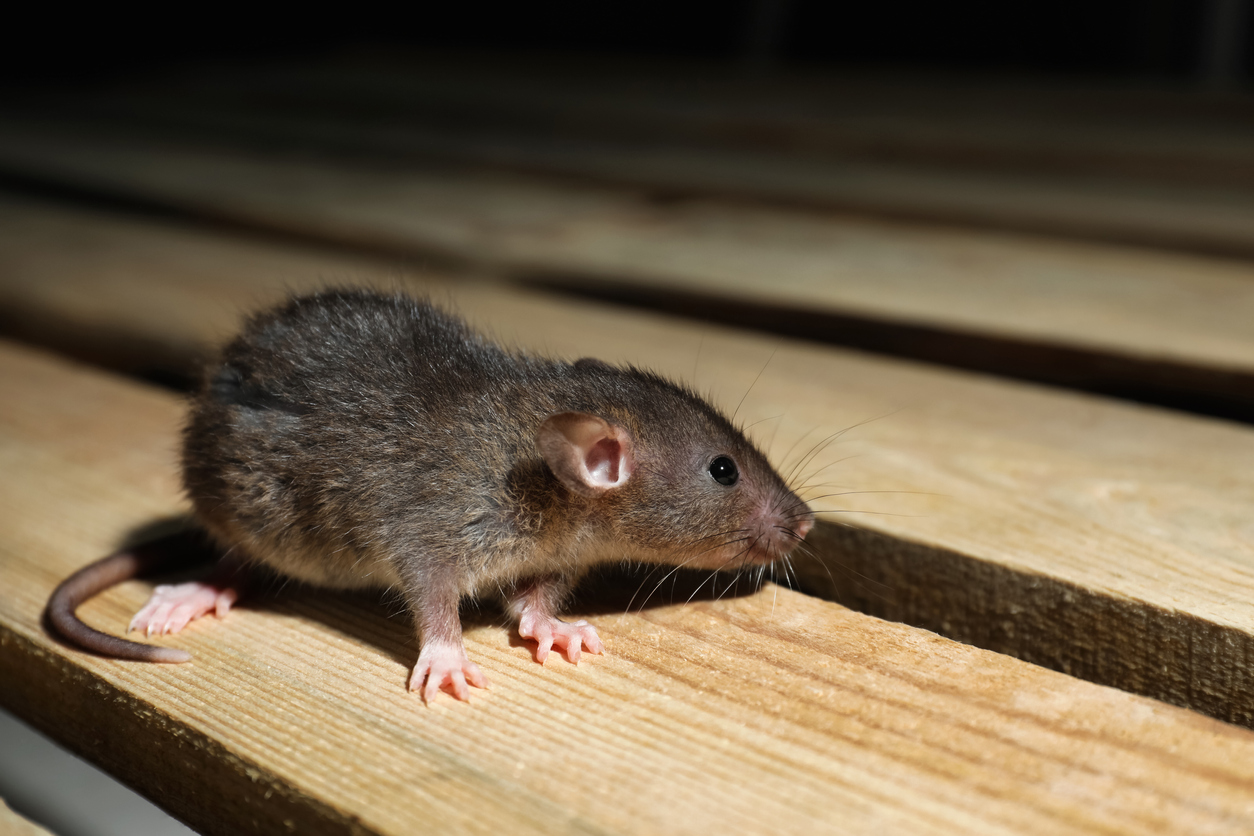
Identifying a rodent infestation early can save you significant time, money, and stress. Rodents are nocturnal creatures that often remain hidden, making it difficult to notice their presence until the problem has escalated.
Physical Evidence
- Droppings: Small, dark pellet-like droppings are a common sign of rodents. These can often be found near food sources, under sinks, or along baseboards.
- Gnaw Marks: Rodents gnaw on wood, wires, and plastic to maintain their teeth. Look for bite marks on furniture, walls, or electrical wiring.
- Nests: Mice and rats create nests using shredded paper, insulation, or fabric. These nests are often located in secluded areas such as the attic or behind appliances.
Sounds and Smells
- Scratching Noises: Rodents are active at night and may make scratching or scurrying sounds in walls, ceilings, or under floors.
- Unusual Odors: A strong musky odor can indicate the presence of rodents. This smell is typically caused by urine trails left by these pests as they navigate throughout your home.
Behavioral Indicators
- Pet Behavior Changes: Cats and dogs may act unusually alert around areas where rodents are present. They might sniff or scratch persistently at certain spots.
- Disrupted Food Packaging: Food containers with holes chewed into them could mean rodents have been trying to access stored food items.
Effective Steps for Identifying an Infestation with Florida Pest Control
- Perform Regular Inspections
- Inspect less-frequented areas like attics and basements.
- Use a flashlight to check crevices for droppings or nests.
- Monitor Entry Points
- Examine windows, doors, vents, pipes, and foundation cracks for signs of chewing that may indicate entry points.
- Utilize Tracking Powder or Cameras (if necessary)
- If you’re unsure about an infestation but suspect activity in certain areas, consider using non-toxic tracking powder or motion-sensing cameras to confirm the presence of rodents.
Early detection is critical when it comes to managing rodent infestations effectively. By staying vigilant for these signs and taking prompt action at the first indication of activity, you can help protect your home from widespread damage caused by these pests.
How Exterminators in Florida Can Help You Tackle Hidden Rodent Infestations
Rodent infestations, especially when left unchecked, can lead to a series of significant problems for both your home and health. Ignoring the signs of a hidden rodent problem can allow the issue to escalate, putting your family at risk and causing long-term damage to your property. Understanding these dangers is crucial for taking timely action.
Property Damage Caused by Rodents
Rodents are notorious for their chewing habits. They gnaw on various materials in their environment, which can lead to structural and functional damage within your home.
- Electrical Wiring:Rodents often chew through electrical wires, which increases the risk of short circuits or even house fires.
- Insulation:Chewed or destroyed insulation reduces energy efficiency and increases heating and cooling costs.
- Pipes and Plumbing:Rats and mice may chew through pipes, leading to water leaks or costly plumbing repairs.
- Furniture and Belongings:Personal items like furniture, clothing, or stored goods are not exempt from rodent destruction.
Health Risks Posed by Rodent Infestations
In addition to property damage, rodents pose serious health hazards due to the diseases they carry.
- Hantavirus Pulmonary Syndrome:Transmitted via rodent urine, droppings, or saliva when inhaled as airborne particles.
- Salmonellosis:Spread through contact with contaminated surfaces or consumption of food tainted by rodents.
- Leptospirosis:A bacterial infection that can be contracted via direct contact with rodent urine or water contaminated by it.
- Allergies and Asthma Triggers:Shed fur, dander, droppings, and nesting materials contribute to poor indoor air quality.
Secondary Infestations
Rodents bring more than just themselves into your home—they often carry parasites like mites, ticks, fleas, and lice that can infect pets or humans. These secondary infestations compound the risks associated with leaving a rodent problem unaddressed.
Economic Costs of Neglect
Failing to control rodents early on can result in significant financial losses over time.
| Type of Cost | Examples |
| Repairs | Fixing chewed wiring or structural damage |
| Replacement Costs | Damaged furniture or ruined personal belongings |
| Healthcare Expenses | Treating illnesses caused by rodent-related diseases |
| Pest Control Services | The longer you wait, the more expensive treatments will become |
Compromised Structural Integrity
Over time, persistent gnawing on beams and supports can weaken the structure of your home. This not only affects its safety but also lowers its resale value should you choose to sell in the future.
Addressing hidden rodent infestations promptly is essential for protecting both your household’s well-being and financial investment in your property. Taking proactive measures today helps prevent costly consequences down the road while safeguarding everyone’s health.
Effective Pest Removal Services in Florida to Address Hidden Rodent Infestations
Failing to address a hidden rodent infestation can lead to significant risks for both your property and personal health. Rodents, such as mice and rats, may seem like a minor nuisance at first, but their presence poses long-term threats that should not be underestimated.
Property Damage Caused by Rodents
Rodents are notorious for their destructive habits. Ignoring an infestation can result in serious structural and material damage.
- Electrical Wiring: Rodents chew on wires, which can lead to electrical shorts and even fires.
- Insulation: They shred insulation materials for nesting purposes, reducing your home’s energy efficiency.
- Wooden Structures: Their constant gnawing weakens wooden beams, floors, and furniture.
- Stored Goods: Food packaging, clothing, and paper goods are at high risk of destruction.
| Common Damages | Potential Costs |
| Chewed electrical wires | Expensive electrical repairs or fire hazards |
| Destroyed insulation | Increased heating/cooling costs |
| Compromised structures | Costly home repair expenses |
Health Risks Associated with Rodent Infestations
Rodents are carriers of numerous diseases that can be transmitted to humans either directly or indirectly.
- Hantavirus Pulmonary Syndrome (HPS): This potentially fatal disease is spread through contact with rodent urine, droppings, or saliva.
- Salmonella: Food contaminated by rodents may lead to severe gastrointestinal illness.
- Leptospirosis: Bacteria found in rodent urine can infect humans through open wounds or mucous membranes.
- Allergies & Asthma: The dander from rodents can exacerbate respiratory conditions.
Rodents also bring parasites such as fleas and ticks into your environment, heightening the risk of secondary infections.
Escalating Infestations Over Time
Rodents have rapid breeding cycles; ignoring their presence allows populations to multiply quickly. A single pair of mice or rats can produce dozens of offspring within a year if left unchecked—turning a small problem into a full-blown infestation.
- Increased sightings during the day (a sign of overpopulation).
- Strong foul odors from accumulated waste.
- Widespread gnaw marks on wood or wires.
- Stains along walls caused by oily fur rubbing against surfaces.
The longer you wait to address the issue, the more difficult—and costly—it becomes to resolve.
Financial Implications
- Larger extermination efforts for severe infestations.
- Repairs for widespread damage caused during nesting or feeding activities.
- Medical costs related to diseases spread by rodents.
Proactive intervention is far more cost-effective than repairing extensive damage later on.
Understanding these dangers underscores the urgency of taking immediate action when dealing with potential rodent infestations in your property.

Top Florida Pest Control Service Tips to Prevent Future Rodent Problems
Preventing rodent infestations is far easier and more cost-effective than addressing the damage they cause after the fact. By implementing proactive measures, homeowners and business owners can create an environment that is hostile to rodents.
Seal Entry Points
Rodents can enter through even the smallest openings.
– Install door sweeps on exterior doors to eliminate gaps at the base of doors.
– Repair damaged screens on windows and vents.
Maintain a Clean Environment
A cluttered or messy environment provides shelter and food sources for rodents.
– Clean up crumbs and spills immediately from countertops, floors, and beneath appliances.
Eliminate Food Sources Outside Your Home
Outdoor areas around homes are often an overlooked source of attraction for rodents:
– Remove fallen fruit from trees and bushes promptly.
– Keep pet food stored indoors or in sealed containers when not in use.
– Regularly clean bird feeders or consider removing them altogether if they attract rodents.
| Common Rodent Attraction | Prevention Tips |
| Pet food left outdoors | Bring indoors nightly; store securely |
| Compost piles | Use enclosed bins; avoid adding meat scraps |
| Cluttered outdoor spaces | Clear debris such as woodpiles or overgrown vegetation |
Fix Moisture Issues
– Ensure proper drainage around your property by cleaning gutters regularly.
Utilize Rodent Deterrents
Apply natural deterrents such as peppermint oil near common entry points. 2. Use ultrasonic pest repellents cautiously in areas prone to infestation. 3. Add physical traps if you suspect minor activity before it escalates.
Professional Monitoring Services
Even with diligent preventive measures, hiring pest control professionals for regular inspections ensures potential issues are identified early before they develop into larger problems.
By combining these strategies into a comprehensive rodent prevention plan, you can safeguard your property against future infestations while fostering a healthier living environment for all occupants.
Effective Pest Removal Solutions for a Rodent-Free Environment
When dealing with a rodent infestation, comprehensive wildlife trapping and removal methods are essential to ensure the problem is thoroughly addressed. A strategic approach minimizes health risks, prevents property damage, and protects your environment from recurring rodent issues. Below is an in-depth guide on how to achieve a rodent-free space through effective trapping and removal techniques.
Why Comprehensive Trapping is Necessary
Rodents are highly adaptive creatures that reproduce quickly. Missing even a few rodents during the removal process can lead to reinfestation within weeks. Therefore, an effective trapping system must be thorough and well-planned.
Key reasons for choosing comprehensive trapping:
– Eliminates Current Infestation: Properly deployed traps target active rodents immediately.
– Minimizes Property Damage: By reducing the rodent population quickly, further chewing or nesting damage is curtailed.
– Reduces Health Risks: Rodents carry harmful pathogens that can affect humans and pets.
Steps in Comprehensive Wildlife Trapping
- Identify high-activity areas like basements, attics, kitchens, or garages.
- Look for signs such as droppings, gnaw marks, nesting materials, or foul odors.
- Note entry points such as gaps around pipes, vents, or foundation cracks.
- Use snap traps for small-scale infestations due to their efficiency and humane design.
- Deploy live traps for catching multiple rodents at once or relocating wildlife species like squirrels.
- Consider glue boards sparingly in low-access areas but avoid them around pets or children.
- Place traps along walls where rodents travel (they prefer to move along edges).
- Focus on locations near food sources or water supply lines.
- Space traps every 5–10 feet in high-activity zones for maximum coverage.
- Check traps daily to remove caught rodents promptly.
- Reset traps until there are no more captures over several days.
Humane Practices in Wildlife Removal
While eliminating rodents is necessary for safety reasons, it’s important to employ humane practices when possible:
– Relocate non-invasive species when feasible instead of exterminating them.
– Avoid poison baits that cause prolonged suffering and secondary poisoning risks to predators like owls or domestic animals.
– Seal entry points after removing wildlife so animals aren’t trapped inside walls or crawl spaces.
Preventing Future Infestations Post-Trapping
| Action | Purpose | Example Methodology |
| Seal Entry Points | Stops new rodents from entering | Use caulk for small gaps; steel wool for larger holes |
| Maintain Cleanliness | Reduces attractants like food debris | Store food in airtight containers; clean crumbs immediately |
| Remove Outdoor Attractants | Limits access to shelter/food outside | Trim overgrown vegetation; keep trash secured |
| Install Barriers | Physically blocks entry routes | Use door sweeps; cover vents with mesh screens |
Proactive measures reinforce your trapping efforts by making your home less appealing to future rodent invaders.
Taking a comprehensive approach that integrates effective trapping methods with humane practices ensures not only the immediate elimination of an infestation but also long-term protection against recurring problems. Implementing these strategies helps maintain a safe, hygienic environment free from the threats posed by rodents.
- How Exterminators in Florida Can Help You Address a Rodent Infestation Effectively
- Early Warning Signs You Need Pest Removal Services in Florida for a Rodent Infestation
- Identifying Rodent Infestations: Tips from a Pest Control Company
- Key Noises of Rodent Infestation You Should Never Ignore: Tips from Exterminators in Florida
- Top 5 Signs You Need Immediate Help from Exterminators in Florida
- Key Warning Signs That Indicate You Need a Pest Control Company for Rodent Issues
- How to Spot Rodent Infestation Warning Signs with a Trusted Pest Control Company
- Effective Solutions from a Pest Control Company to Tackle Rodent Infestations
- Warning Signs of Rodent Infestations and How a Pest Control Company Can Help