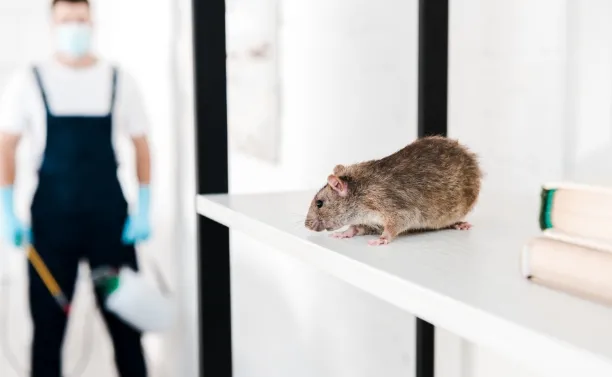
Rodents in your home or property can cause a variety of issues, ranging from health risks to structural damage. One of the earliest signs of a rodent infestation is the unusual sounds they make. By learning to recognize these noises, you can take swift action to prevent further damage and control the situation effectively.
Common Rodent Noises and Their Causes
- Scratching or Scurrying:
These sounds often come from inside walls, ceilings, or attics. They occur as rodents move around in search of food or nesting materials. Scratching noises can also happen when rodents dig into insulation or wood. - Chewing:
Continuous gnawing sounds may be heard as rodents chew through wood, plastic, wiring, or drywall. They do this to file down their teeth and gain access to food sources. - Squeaking:
High-pitched squeaks are common vocalizations used by rodents for communication. You might hear these sounds when they feel threatened or when young ones interact with adults. - Thumping or Bumping:
Heavier thumps could indicate larger rodents such as rats moving around in attics or above ceilings.
Where Do These Sounds Usually Originate?
| Location | Common Noise Types | Likely Cause |
| Walls | Scratching, scurrying | Movement within tight spaces |
| Attics | Thumping, chewing | Nesting activities and material gathering |
| Ceilings | Squeaking, scampering | Social communication between rodents |
| Kitchens/Basements | Chewing on packaging or wires | Searching for food |
Why You Should Never Ignore These Sounds
- Chewing on electrical wiring may cause short circuits and increase fire hazards.
- Structural integrity can weaken due to gnawing on wood and insulation materials.
- Rodents carry diseases such as hantavirus and salmonella that can spread via droppings or urine.
- Contaminated surfaces pose risks of foodborne illnesses.
- Rodents reproduce quickly, turning a small problem into a large-scale infestation if not addressed promptly.
Steps for Monitoring Signs
- Inspect for physical evidence such as droppings near food sources, nesting materials like shredded paper, or teeth marks on surfaces.
- Use baby powder near suspect areas; rodent tracks may appear overnight.
- Consider installing motion-sensitive cameras in attics or basements for additional insight.
By staying vigilant about these warning signs and acting promptly when suspicious noises arise, you can safeguard both your health and property against rodent infestations effectively.
Identifying Rodent Noises: Tips from a Pest Control Company
Recognizing the noises made by rodents is crucial for identifying an infestation early and implementing effective control measures. Rodents, such as mice and rats, are often detected through their distinct sounds before any visual evidence of their presence appears. Below is an overview of the most common rodent noises and insights into what each sound may indicate.
https://medium.com/@pompanobeachpestcontrol
Identifying Rodent Noises with Pest Removal Services in Florida
- Scratching:
Scratching sounds are often heard at night when rodents are most active. These noises may indicate: - Mice or rats climbing walls or scurrying across floors.
- Nest-building activities as rodents gather materials like paper or insulation.
- Movement in hidden spaces such as attics, ceilings, and within walls.
- Chewing or Gnawing:
Rodents have ever-growing incisors that require constant gnawing to keep them from becoming too long. Chewing sounds may mean: - Damage to wooden structures, electrical wiring, or stored items.
- Rats chewing through entry points to access food sources or shelter.
- Squeaking:
Squeaks are high-pitched vocalizations used by rodents to communicate with one another. This noise could be interpreted as: - Mice signaling distress or seeking attention from other rodents in their colony.
- A sign of competition among rats over nesting territories or food resources.
- Running or Pattering Sounds:
The sound of quick, soft footsteps usually indicates: - Rodents actively searching for food during nighttime hours.
- Mice scurrying across surfaces like countertops, floors, or inside cupboards.
Identifying the Timing and Frequency of Noises with Florida Pest Control Service
| Time | Activity |
| Night (Dusk to Dawn) | Increased movement; scratching in attics, walls; foraging for food sources |
| Daylight Hours | Rare but possible during severe infestations when hiding spaces become crowded |
By pinpointing when the noises occur most frequently, you can identify areas where rodent infestations are concentrated.
Identifying Mice and Rat Noises for Effective Pest Removal
Characteristics of Mouse Sounds:
- Softer and higher-pitched due to their smaller size.
- More frequent squeaking in comparison to rats.
- Light scratching sounds reflecting their smaller claws.
Characteristics of Rat Sounds:
- Deeper squeaks due to their larger vocal cords.
- Louder gnawing as a result of stronger jaw muscles.
- Heavy thudding footsteps in contrast with the lighter patter produced by mice.
Why Identifying Sounds Matters
Listening carefully to these noises not only helps confirm a rodent infestation but also provides insight into its severity and location. Proper identification can guide pest control experts in selecting targeted methods such as traps, bait stations, or exclusion techniques tailored specifically for the problem at hand.
Being attentive to these auditory clues empowers homeowners to act swiftly before minor disturbances escalate into significant structural damage or health risks caused by rodent-borne diseases.

Walls, Attics, and Ceilings: Where Rodents Make Their Telltale Noises
Rodents are notorious for invading the hidden spaces of your home, such as walls, attics, and ceilings. These areas provide shelter, warmth, and concealment — ideal conditions for them to nest and breed. The sounds they make in these areas can often be your first clue to their presence. Understanding where and why rodents make noise in these locations can help you act quickly to address infestations before they worsen.
Common Rodent Sounds in Walls
- Scratching: This is one of the most prevalent noises, caused by rodents climbing or burrowing into insulation materials.
- Scurrying: Rapid movement sounds suggest rodents are traveling through the wall voids.
- Gnawing: Rodents constantly chew on wood or wiring inside walls to keep their teeth sharp, creating distinct grinding or crunching noises.
Noises from Attics: Activity Above Your Head
- Thumping or Bumping: Larger rodents like rats can create audible thuds as they move around attic spaces.
- Dragging Sounds: Mice or rats may drag nesting materials like paper or fabric across beams or attic floors.
- Chirping or Squeaking: Some species communicate while nesting, so high-pitched vocalizations may indicate an active rodent colony.
Activity in Ceilings
| Sound | Possible Cause | Likely Species |
| Light Pitter-Patter | Movement across floor joists | Mice |
| Loud Scraping | Nest-building efforts involving large debris | Rats |
| Rhythmic Crunching | Chewing on wooden beams | Squirrels (not rodents but similar) |
Why These Locations?
Understanding why rodents target these specific areas is essential to addressing infestations effectively:
1. Walls provide easy access between rooms without exposure. 2. Attics offer safety for nests due to minimal human disruption. 3. Ceilings act as thoroughfares connecting upper-floor spaces.
Preventing access involves sealing gaps near eaves, foundations, and utility entry points while prioritizing regular inspections in hidden areas prone to infestation signs.
Effective Florida Pest Control Tips for Dealing with Rodent Noises in Your Home
Hearing strange noises within your home, particularly at night, can be unsettling. These sounds may indicate a rodent infestation, which requires prompt attention to prevent property damage and health risks. Below are immediate steps you should take if you suspect rodents are invading your space.
1. Confirm the Source of the Noise
- Scratching or scurrying sounds: Often heard in walls, ceilings, or under floorboards.
- Chewing or gnawing noises: Indicates rodents attempting to access food sources or create nesting areas.
- Squeaking or chirping: Generally associated with communication between rodents.
These sounds are typically more noticeable at night since rodents are nocturnal creatures.
2. Inspect for Signs of an Infestation
| Sign | Description |
| Droppings | Small, pellet-shaped droppings near food sources or along baseboards. |
| Chew marks | Damage on furniture, wires, containers, or structural wood. |
| Grease marks | Smudges along walls and entry points caused by their oily fur rubbing surfaces. |
| Nesting materials | Shredded paper, fabric, or insulation found in hidden areas like attics or closets. |
If any of these signs are present alongside the noises you’ve detected, it’s likely you have a rodent problem.
3. Seal Off Entry Points
- Inspect your home’s exterior for cracks around windows and doors.
- Check vents and utility pipes for openings.
- Use steel wool and caulk to seal small gaps; metal mesh is suitable for larger holes.
Be thorough when addressing entry points; even minor oversights can allow rodents to re-enter.
4. Remove Attractants
- Store food in airtight containers made from metal or thick plastic.
- Clean up crumbs and spills immediately.
- Ensure garbage is disposed of properly using sealed trash cans.
- Declutter storage areas like basements and attics where rodents might nest.
By removing these attractants, you’ll make your home less appealing to pests.
5. Set Traps or Call Professionals
- Set traps: Snap traps and bait stations can help control small infestations effectively when placed near high activity zones like walls and dark corners.
- Hire pest control experts: For larger infestations or if DIY measures fail, contact licensed professionals who specialize in safe and humane rodent removal practices.
Professional exterminators can also advise on long-term prevention methods tailored to your property.
Final Thoughts
Acting quickly upon hearing rodent noises is essential to protect both your health and property from potential harm. By following these steps—confirming the noise source, inspecting for signs of activity, sealing entry points, reducing attractants, and implementing appropriate control measures—you’ll be better equipped to manage any rodent issues effectively while minimizing disruption to your home life.
Immediate Steps to Take When You Hear Rodent Noises in Your Home
Rodents are not just a nuisance but can pose significant risks to your health and property. If you hear telltale noises like scratching, squeaking, or scurrying in your home, it’s essential to act swiftly. Ignoring these sounds can result in rapid infestation growth and costly damage. Below are immediate steps you should take if you suspect rodent activity in your home.
1. Confirm the Source of the Noise
Before taking action, ensure that the noise is indeed caused by rodents. Common signs include:
– Scratching or Gnawing Sounds: These may originate from walls, ceilings, or attics as rodents chew through insulation or wood.
– Scurrying: Quick movements across floors or within walls often indicate rodent activity.
– Soft Chirps or Squeaks: Mice and rats communicate with high-pitched sounds that can often be heard in quiet environments.
Other culprits such as plumbing issues, wind vibrations, or other pests may cause similar noises. Carefully observe the frequency and location of the sounds to confirm their source.
2. Inspect for Physical Evidence
Once you’ve identified unusual noises within your home:
– Check for Droppings: Rodent feces are small and pellet-shaped; mice droppings are typically smaller than those of rats. Look for these near food sources, cabinets, baseboards, and corners.
– Look for Chew Marks: Examine electrical wires, food containers, furniture edges, and wooden structures for signs of gnawing damage.
– Search for Entry Points: Inspect areas around doors, windows, pipes, vents, and crawl spaces for tiny holes or gaps where rodents might have entered.
3. Secure Food Supplies
Rodents are attracted to available food sources. Immediately take steps to remove access by:
– Storing pantry items like cereal and grains in sealed containers made from glass or thick plastic. – Keeping pet food in airtight storage rather than leaving it uncovered overnight. – Cleaning crumbs or spills from countertops and floors promptly.
Maintaining cleanliness prevents rodents from finding easy meals within your home.
4. Set Traps Strategically
If you’ve confirmed rodent activity but it’s minimal:
– Use snap traps as an effective way to catch them quickly. – Place traps along walls where droppings or gnaw marks were found since rodents travel along edges. – Use bait like peanut butter (for mice) or nuts (for rats) to attract them.
Traps must be checked daily to remove caught rodents safely.
| Type of Trap | Best Use Case | Key Benefits |
| Snap Traps | Small infestations | Quick & humane |
| Glue Boards | Tracking their movement | Low maintenance |
| Live-Capture Traps | Relocation purposes | Non-lethal option |
5. Contact a Professional Exterminator
If you suspect a larger infestation due to widespread noise across different areas of your home:
– A pest control expert will inspect hard-to-reach spaces such as attic insulation and wall voids. – Exterminators use advanced techniques like baits with slow-release poison designed for larger populations while minimizing harm to non-target animals.
Attempting DIY solutions may be ineffective against deeply entrenched infestations without professional assistance.
6. Prevent Future Infestations
After eliminating current rodent threats: 1. Seal Entry Points: Use steel wool or caulk to block gaps around pipes or cracks near foundations. 2. Regularly Declutter: Piles of paper boxes offer shelter; keep storage areas tidy. 3. Maintain Yard Cleanliness: Trim vegetation close around foundations since overgrowth hides nesting spaces outdoors before they migrate indoors seasonally.
Implementing preventive measures reduces reinfestation chances significantly over time without recurring stress events tied repeating cycles unmanaged pest populations escalate unchecked homeowner neglect awareness early response times crucial repeat problem years ahead residence-wise security robustness improved overall ecosystem health stabilizing conditions indoors visibly effectively sustainable longer-term outlook results guaranteed proactive focus actionable intervention framework methodology execute consistently aligned maintenance strategies thereby strong peace mind delivered ultimately tenants alike renters alike homeowners invest stability caretaking optimal returns naturally flow continuation desired goals achieved repeated satisfaction levels appreciated housing setups universally contentment shared stakeholders involved partnerships trusted cooperation nurtured steadily expansion resiliency properties enhanced durable lasting prevention success adaptable execute simple daily routines nurture disciplined habits empower confidence outcomes
Identifying Rodent Species by Sound: Mice vs Rats and How They Differ
Rodents are notoriously elusive pests, but one of the most reliable ways to identify their presence is through the sounds they make. By carefully analyzing the noises, homeowners can often determine whether they’re dealing with mice or rats. Each species creates distinct sounds that serve as telltale signs of its activity and behavior. In this guide, we’ll break down the differences between the two based on their auditory patterns.
Common Sounds Made by Mice
- Squeaking: Mice produce sharp, high-frequency squeaks, especially when they’re communicating with one another or feeling threatened.
- Scratching: You may hear light scratching or scurrying in walls, ceilings, or floors as mice move about in search of food or nesting materials.
- Chewing: Mice frequently gnaw on wood, plastic, wiring, or other materials to maintain their teeth. These chewing sounds are soft but repetitive.
Mice are generally quieter than rats due to their smaller size and lighter weight.
Common Sounds Made by Rats
- Loud Squeaks: While rats also squeak like mice, their vocalizations are deeper and more guttural. These sounds may become more frequent during conflicts between rats or when they feel cornered.
- Thumping or Scurrying: Due to their heavier bodies, rats make louder thumping or pattering noises when moving around in attics or crawl spaces. These noises are most pronounced at night when rodents are most active.
- Grinding (Bruxing): When rats feel content or relaxed, they grind their teeth together—a sound known as bruxing—that resembles faint clicking.
- Chewing Noises: Like mice, rats gnaw on a variety of household materials but at higher volumes because of stronger jaws.
Key Differences Between Mouse and Rat Noises
| Feature | Mouse Sounds | Rat Sounds |
| Pitch | High-pitched | Deeper tones |
| Volume | Softer | Louder |
| Movement Noise | Faint scurrying | Heavy thumping/pattering |
| Communication | High-frequency squeaks | Guttural squeaks; occasional grinding |
How Location Can Provide Clues
- Mice prefer smaller spaces such as inside walls or under cabinets due to their size.
- Rats, being larger with greater strength, often inhabit basements, attics, or crawl spaces where there’s ample room for movement.
Listening carefully to these subtle auditory cues can help you quickly identify the type of infestation in your home so you can take appropriate action before the situation worsens. Understanding these distinctions will also enable pest control professionals to implement targeted solutions tailored to the species involved within your property.
- How Exterminators in Florida Can Help You Address a Rodent Infestation Effectively
- Early Warning Signs You Need Pest Removal Services in Florida for a Rodent Infestation
- Identifying Rodent Infestations: Tips from a Pest Control Company
- Key Noises of Rodent Infestation You Should Never Ignore: Tips from Exterminators in Florida
- Top 5 Signs You Need Immediate Help from Exterminators in Florida
- Key Warning Signs That Indicate You Need a Pest Control Company for Rodent Issues
- How to Spot Rodent Infestation Warning Signs with a Trusted Pest Control Company
- Effective Solutions from a Pest Control Company to Tackle Rodent Infestations
- Warning Signs of Rodent Infestations and How a Pest Control Company Can Help